Medical Device Design
In 2025 I worked with a Houston hospital to design an orthopedic brace for children with spasticity.
BACKGROUND
Spasticity is an involuntary contraction of muscles. A person with spasticity needs a special brace that keeps their muscles extended while allowing them to control the affected appendages, or else they will be unable to develop or regain the correct range of motion in the limb.
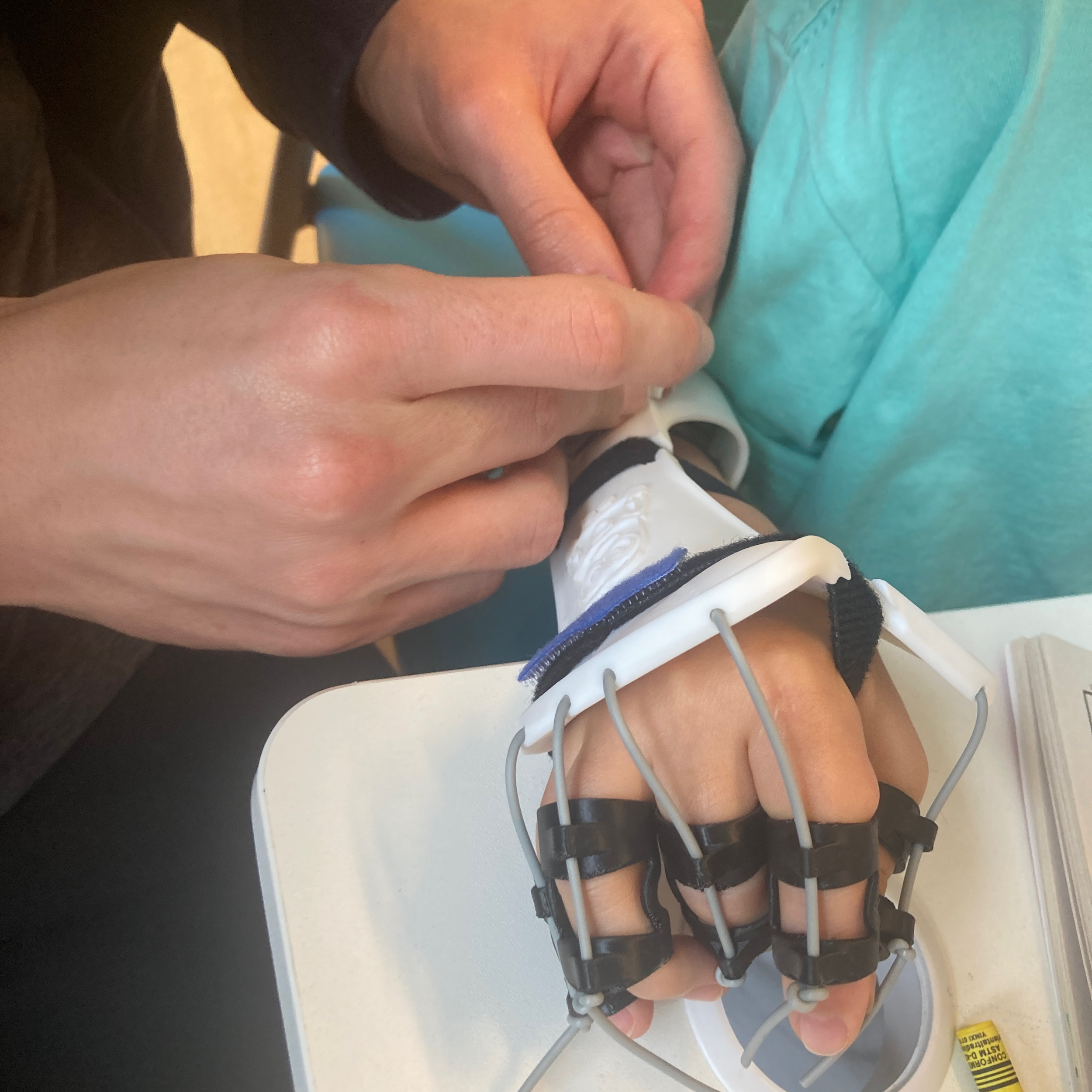
The patient was a 6-year-old child with autism. Current designs for spasticity braces were too uncomfortable and unwieldy for him. I designed an alternative that was comfortable yet still strong enough to keep the patient’s fingers extended. It also had to be printable for rapid testing.
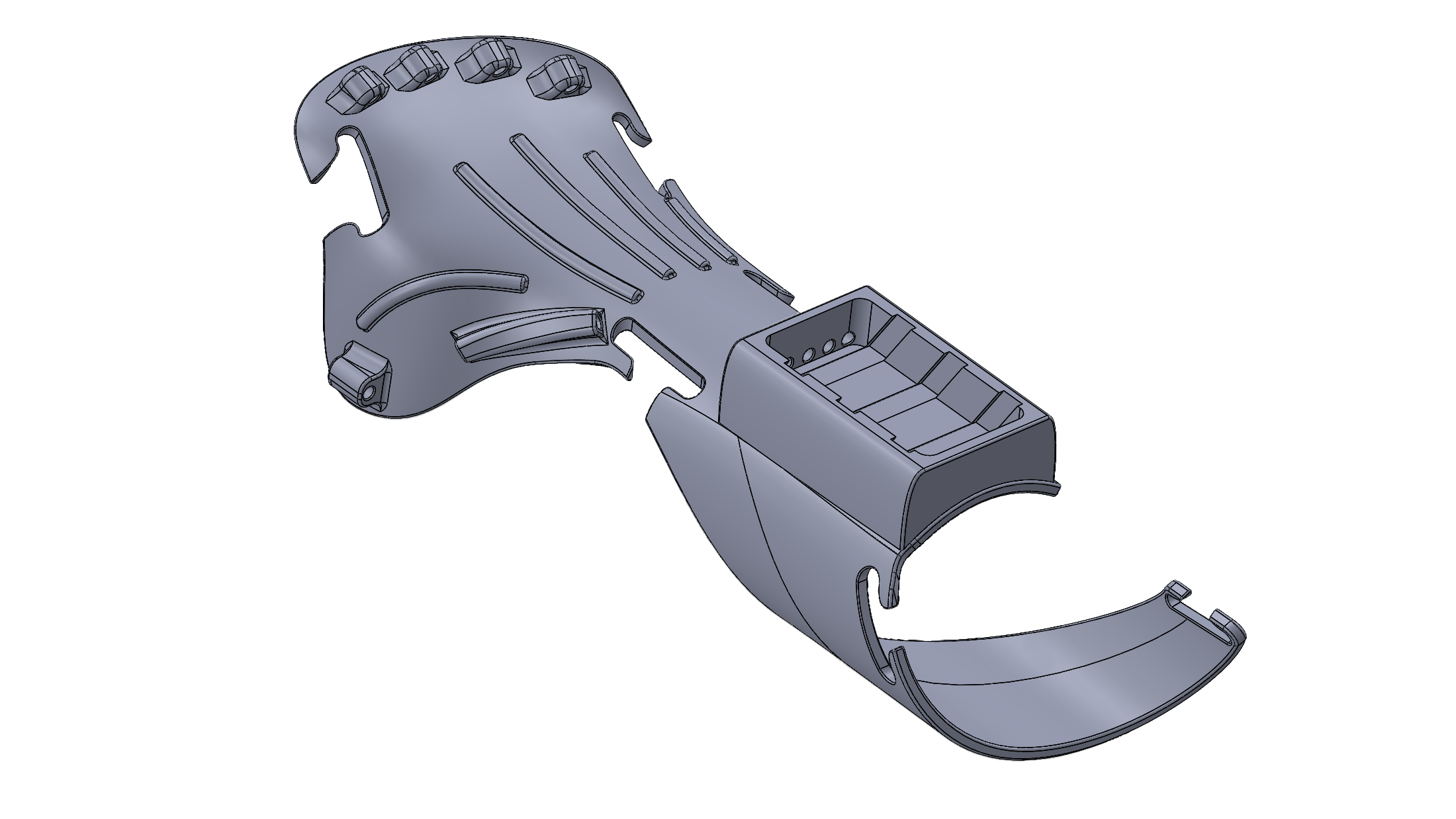
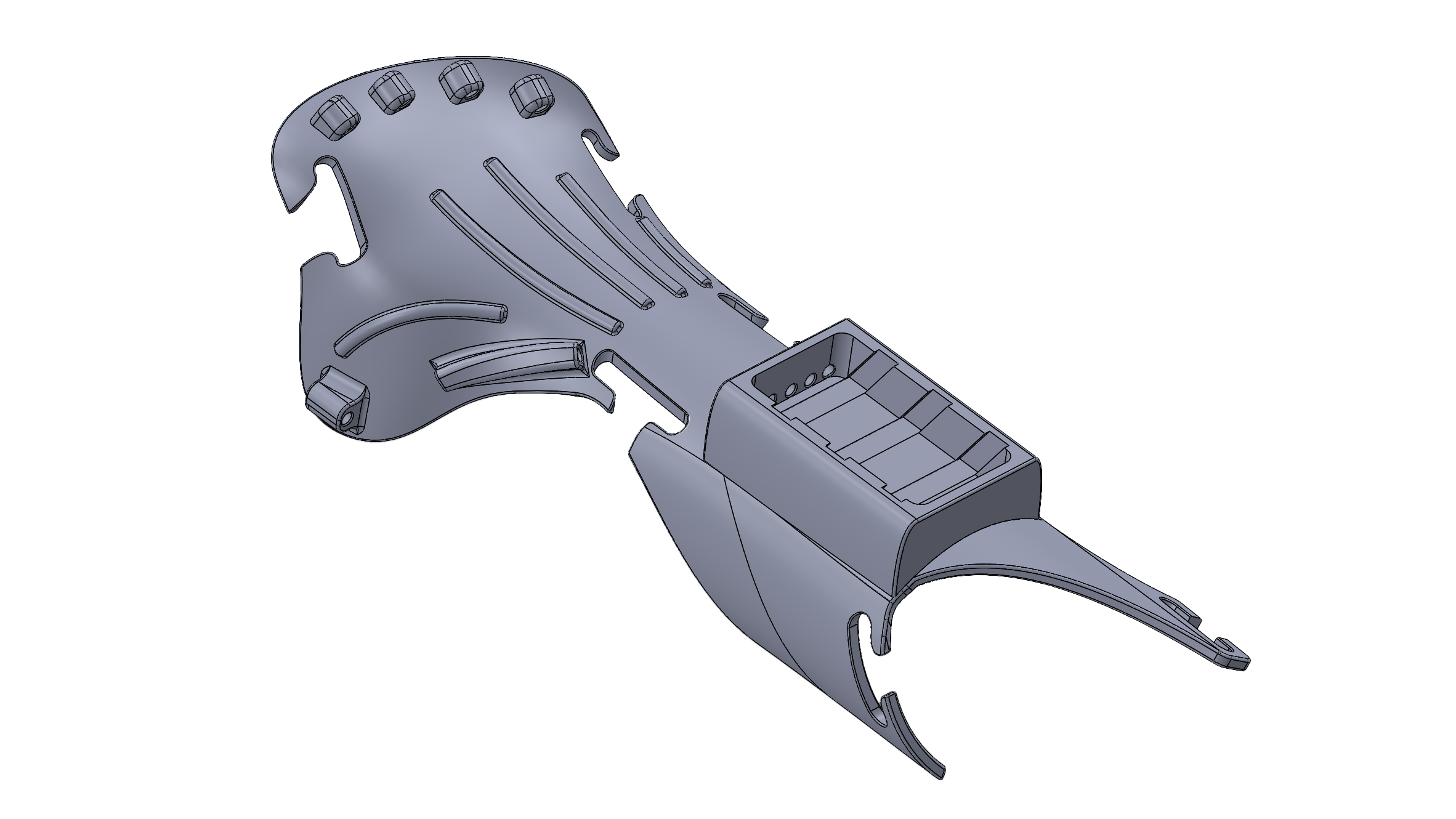
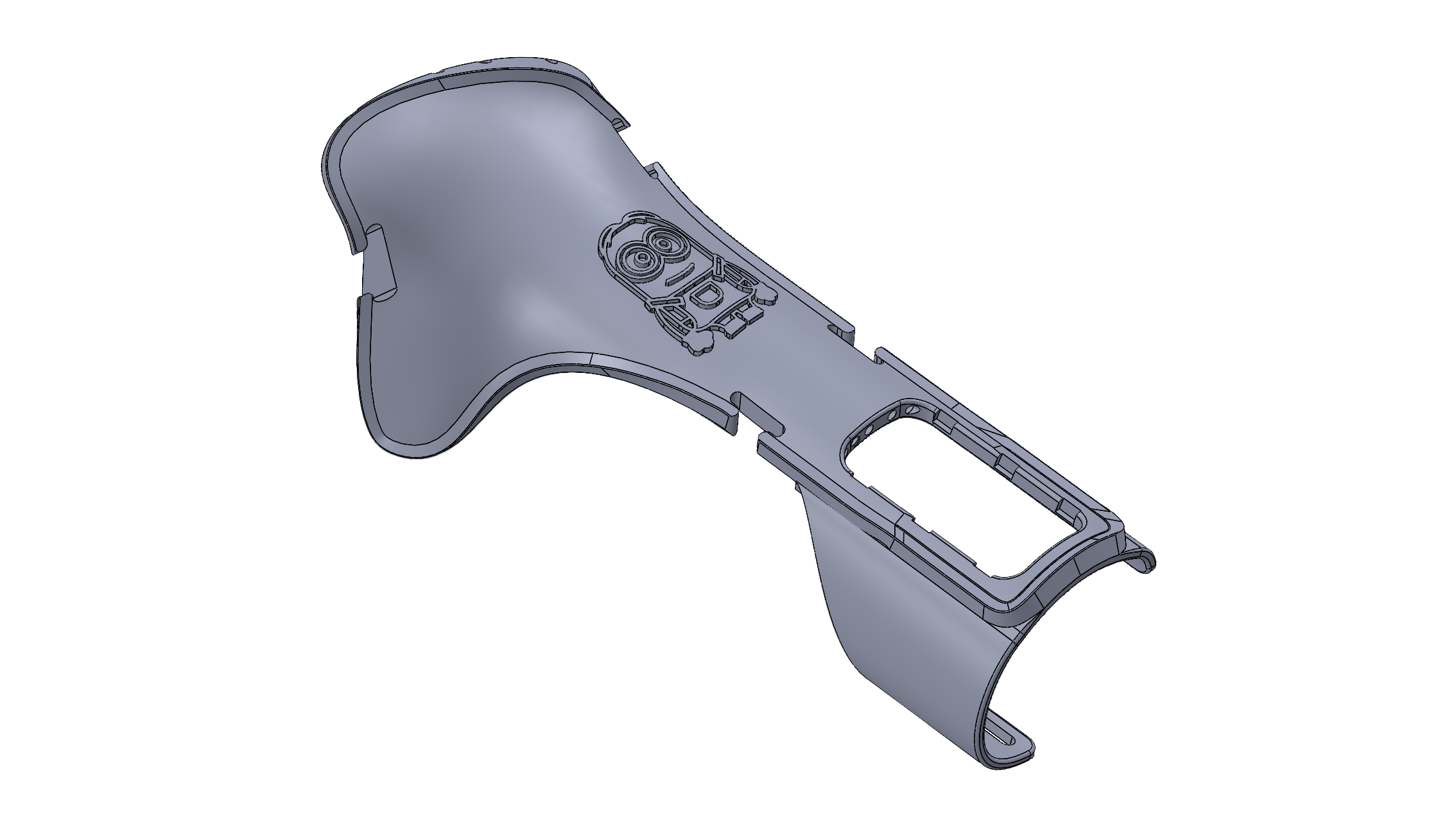
I streamlined an existing prototype. I cut back on the forearm support, which also improved range of motion in the elbow, and embedded the tension compartment into the brace to make it less bulky. The tension cables run through the brace so they cannot be easily damaged or missaligned.
The patient asked for the Minion figure on the final design.
WRIST BRACE DEVELOPMENT
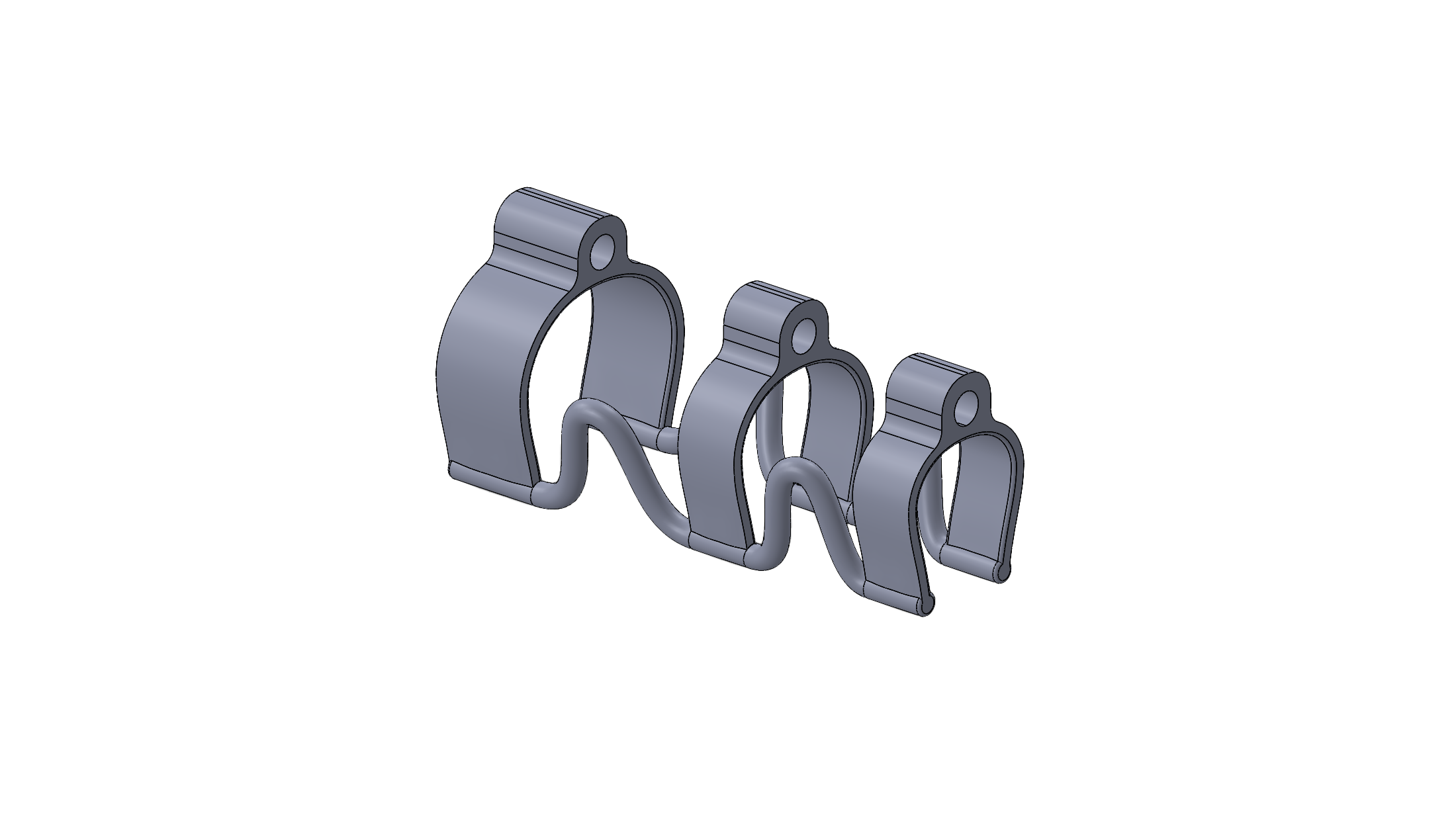
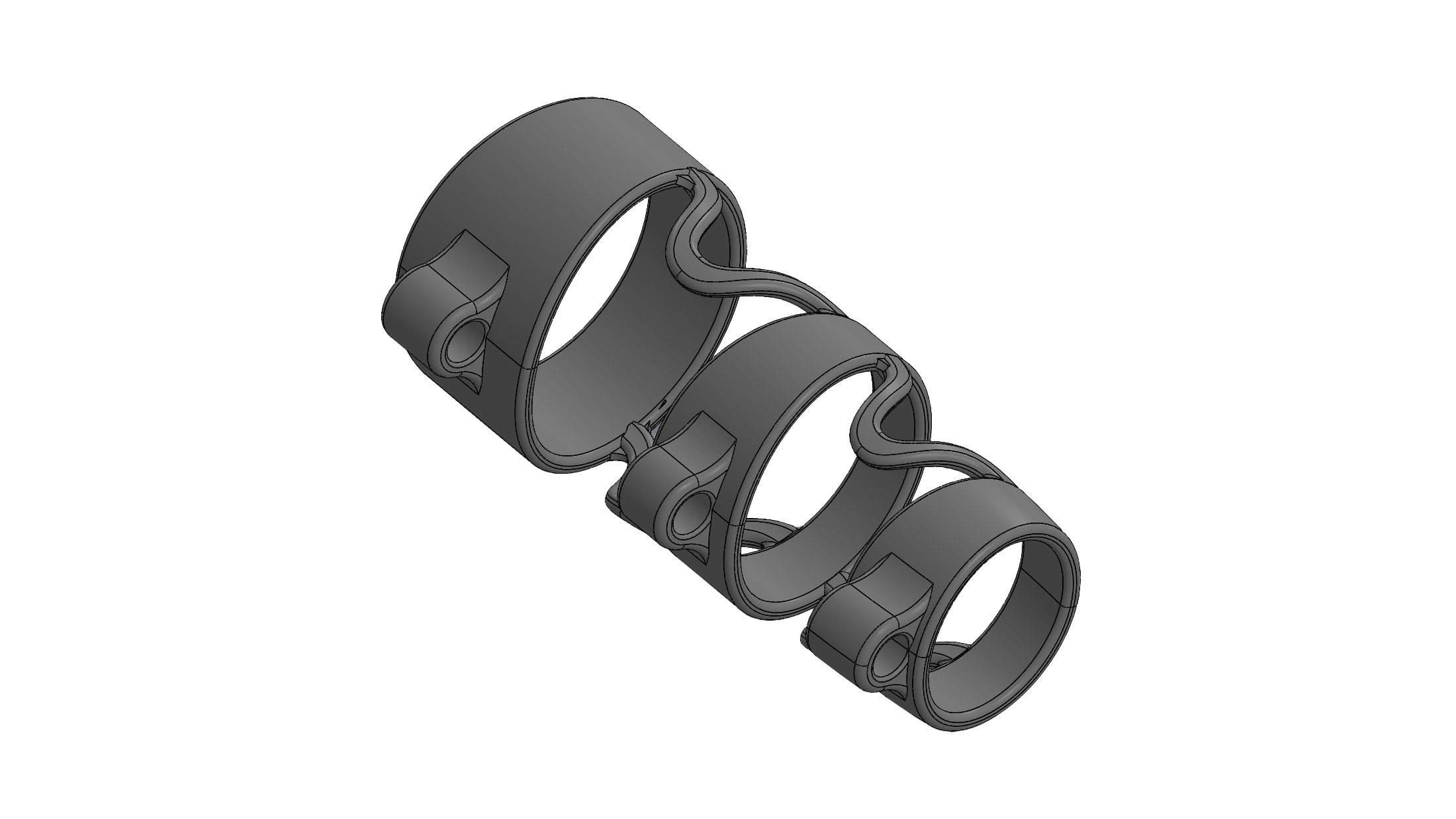
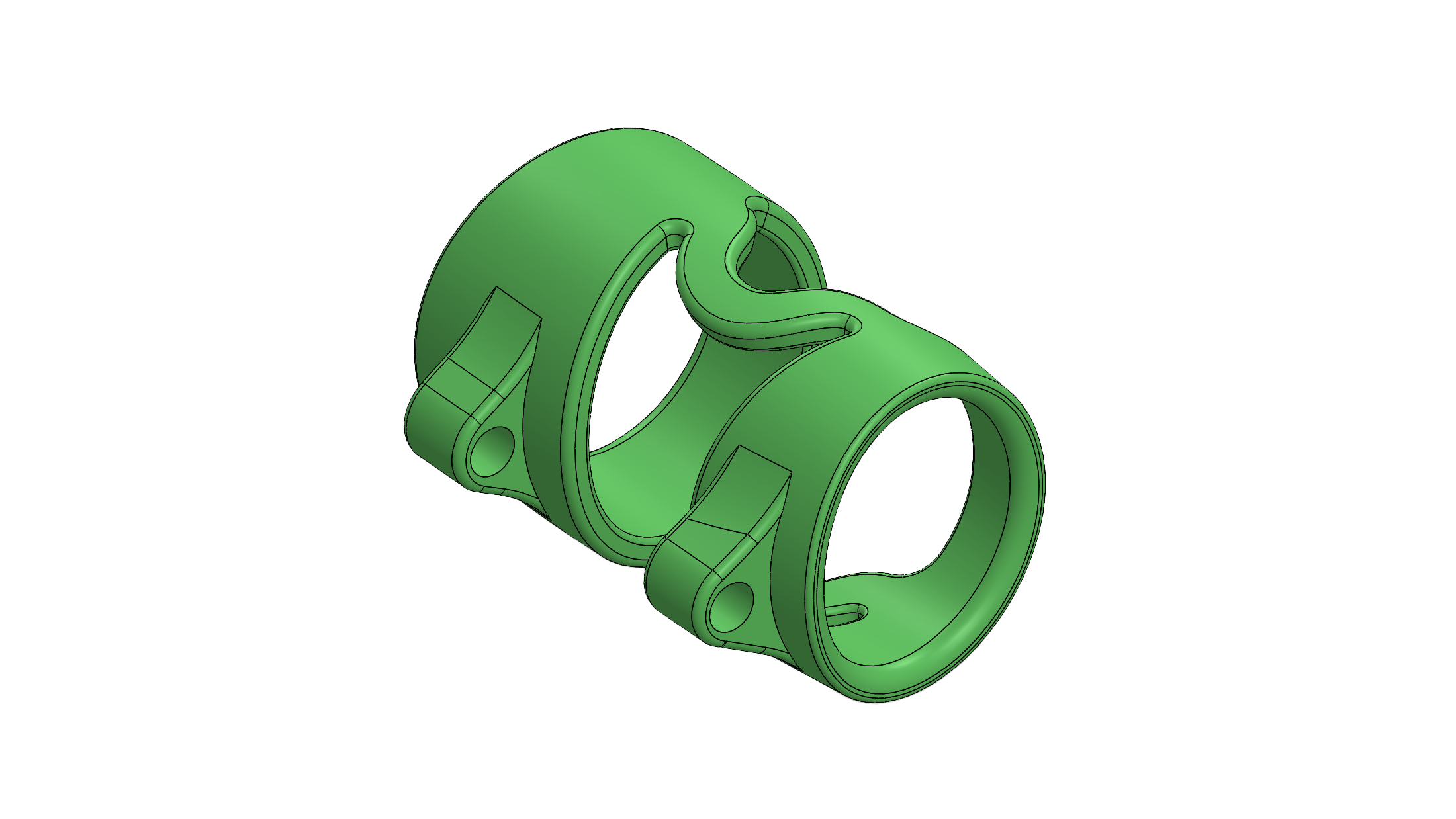
The previous finger loop design fit but was prone to breaking and difficult to put on. The second was intended to solve the problem by “cupping” the patient’s fingers, but it couldn’t hold them in the correct position. The solution was to use a 2-segment design instead of 3-segment one, which was easier to put on but provided stronger support by resting on the patient’s knuckles.
FINGER BRACE DEVELOPMENT
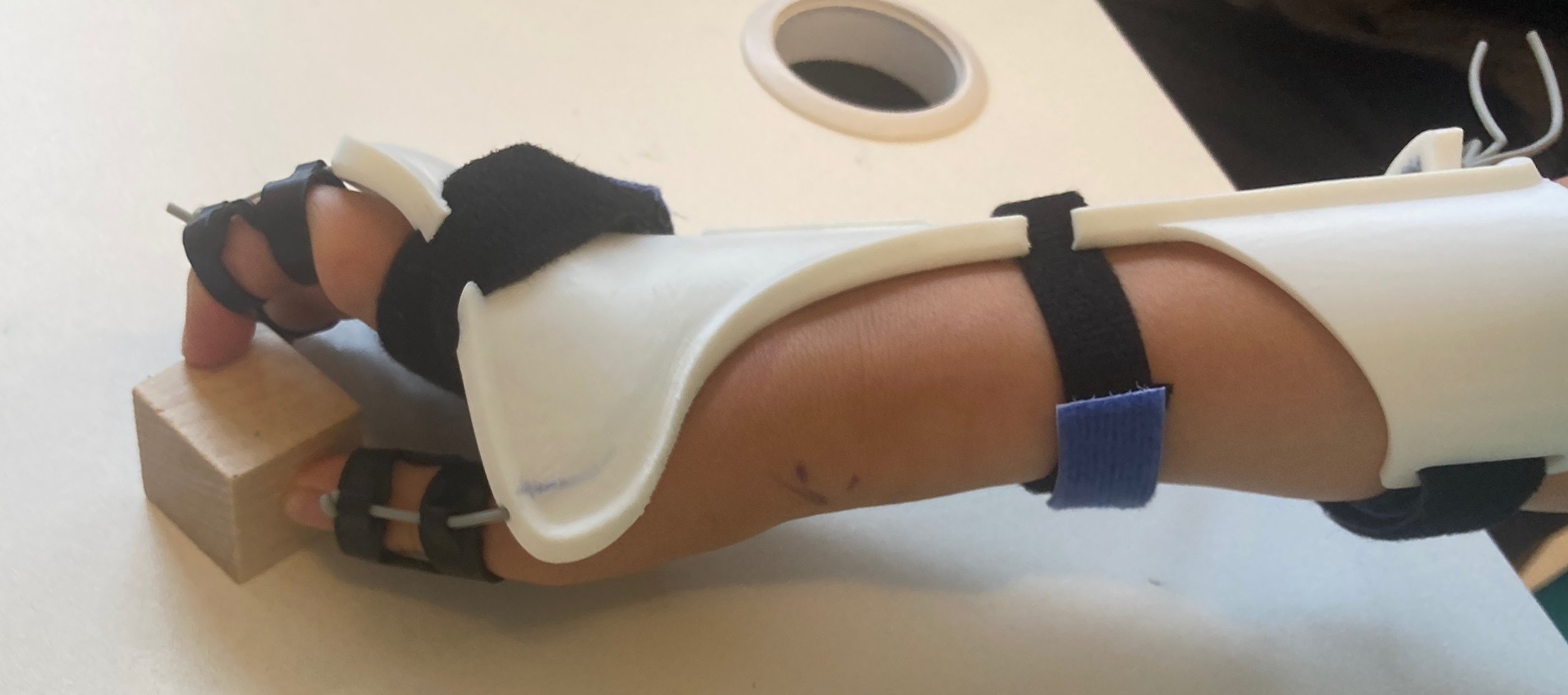
DESIGN TESTING
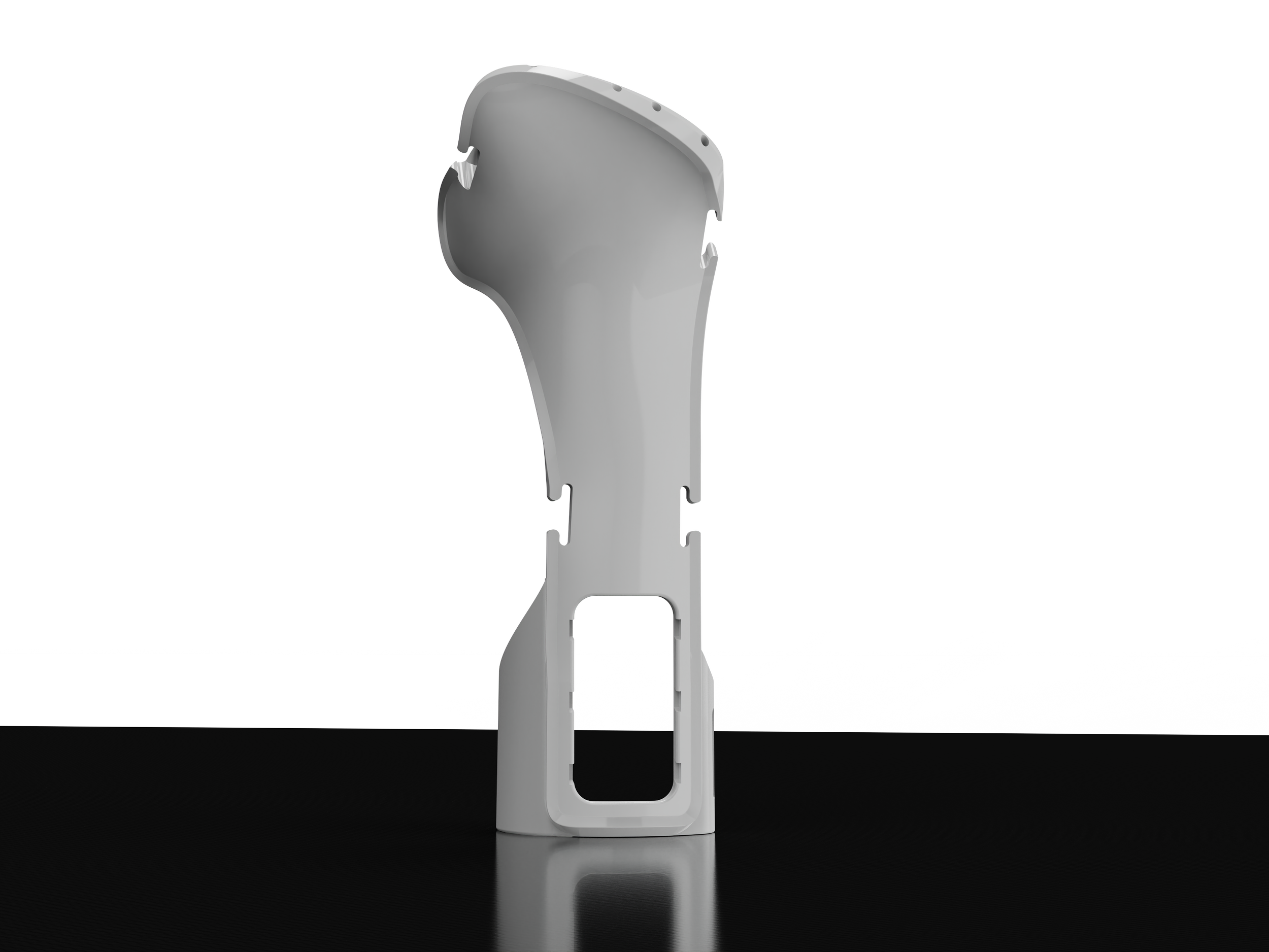
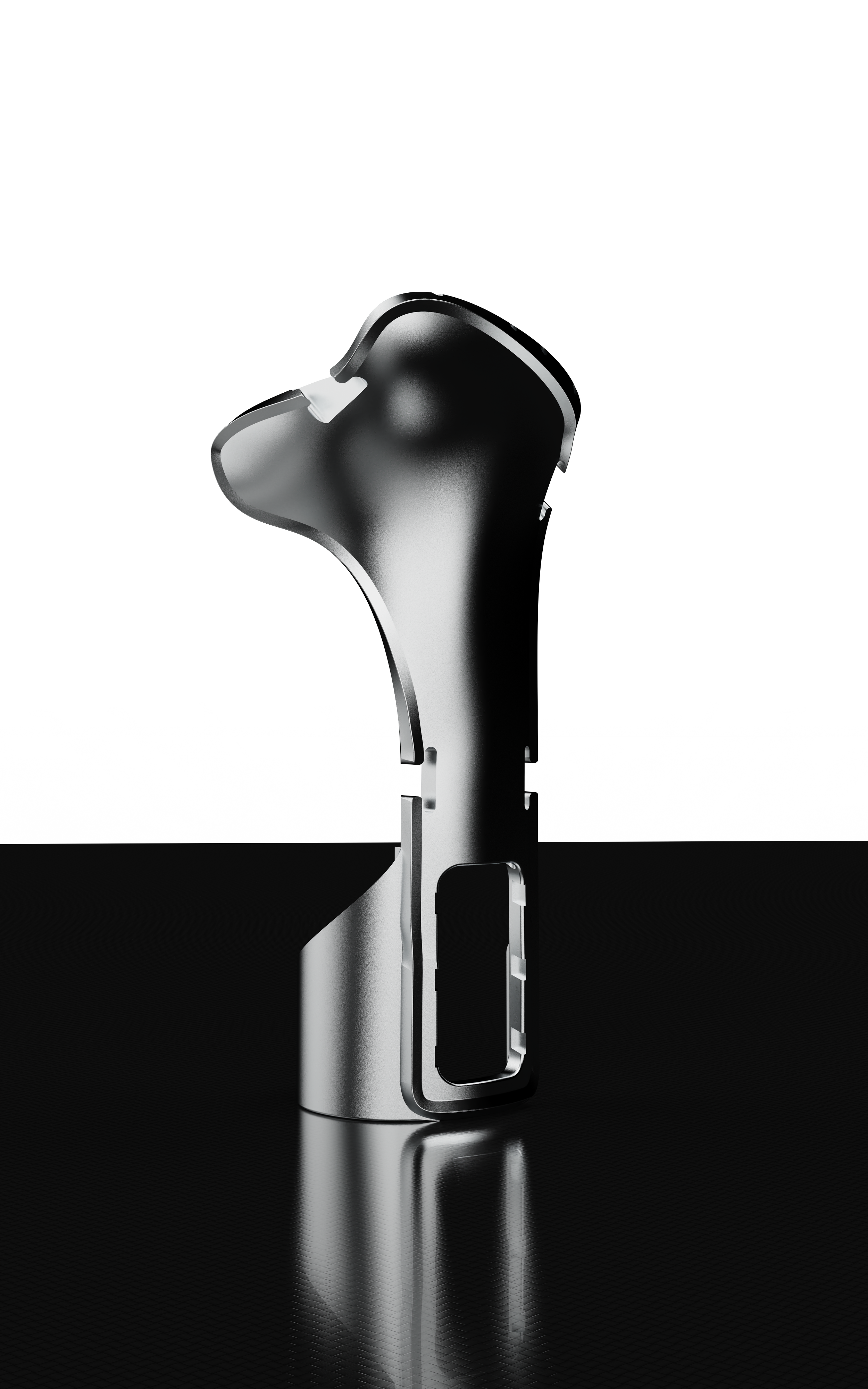
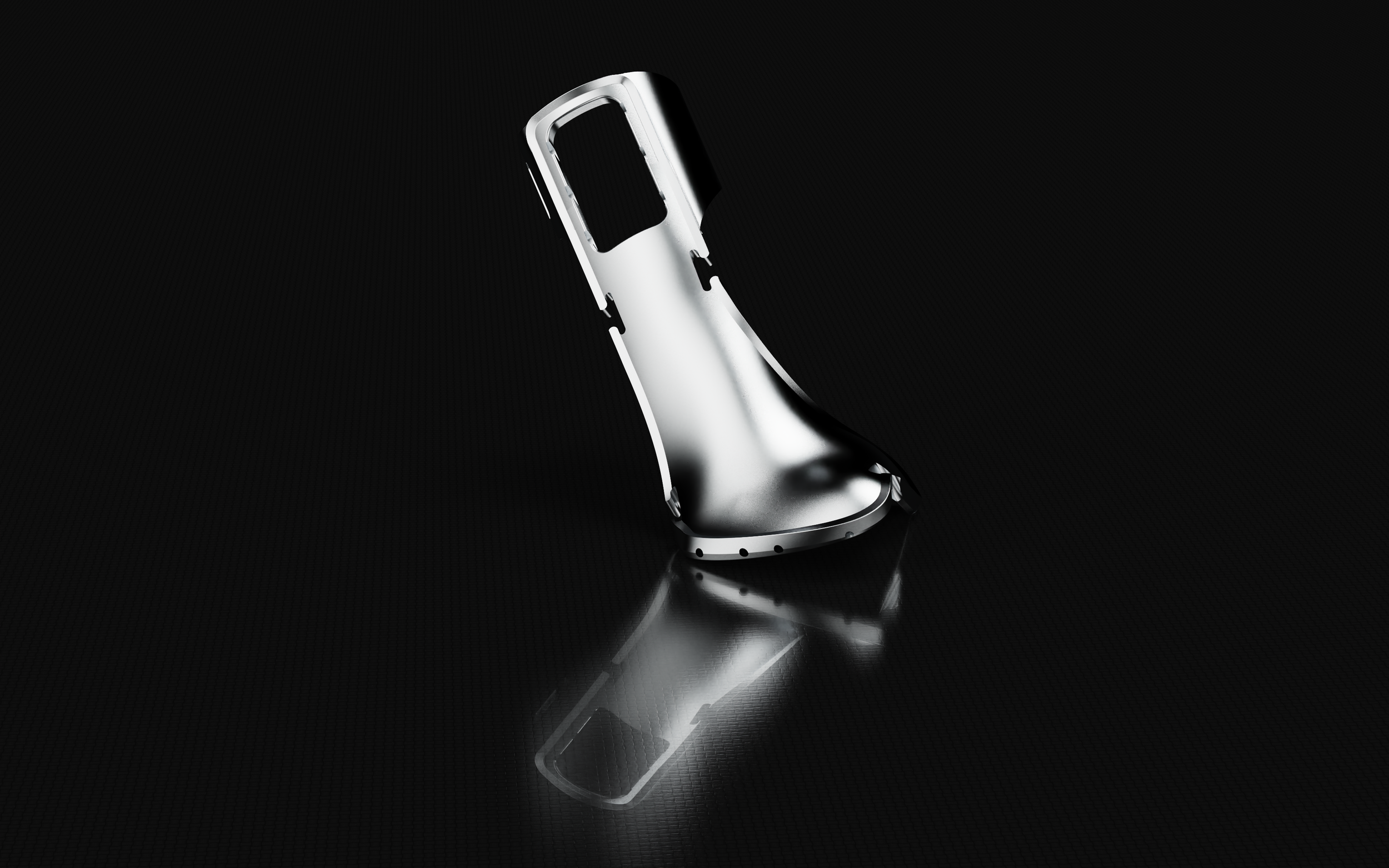
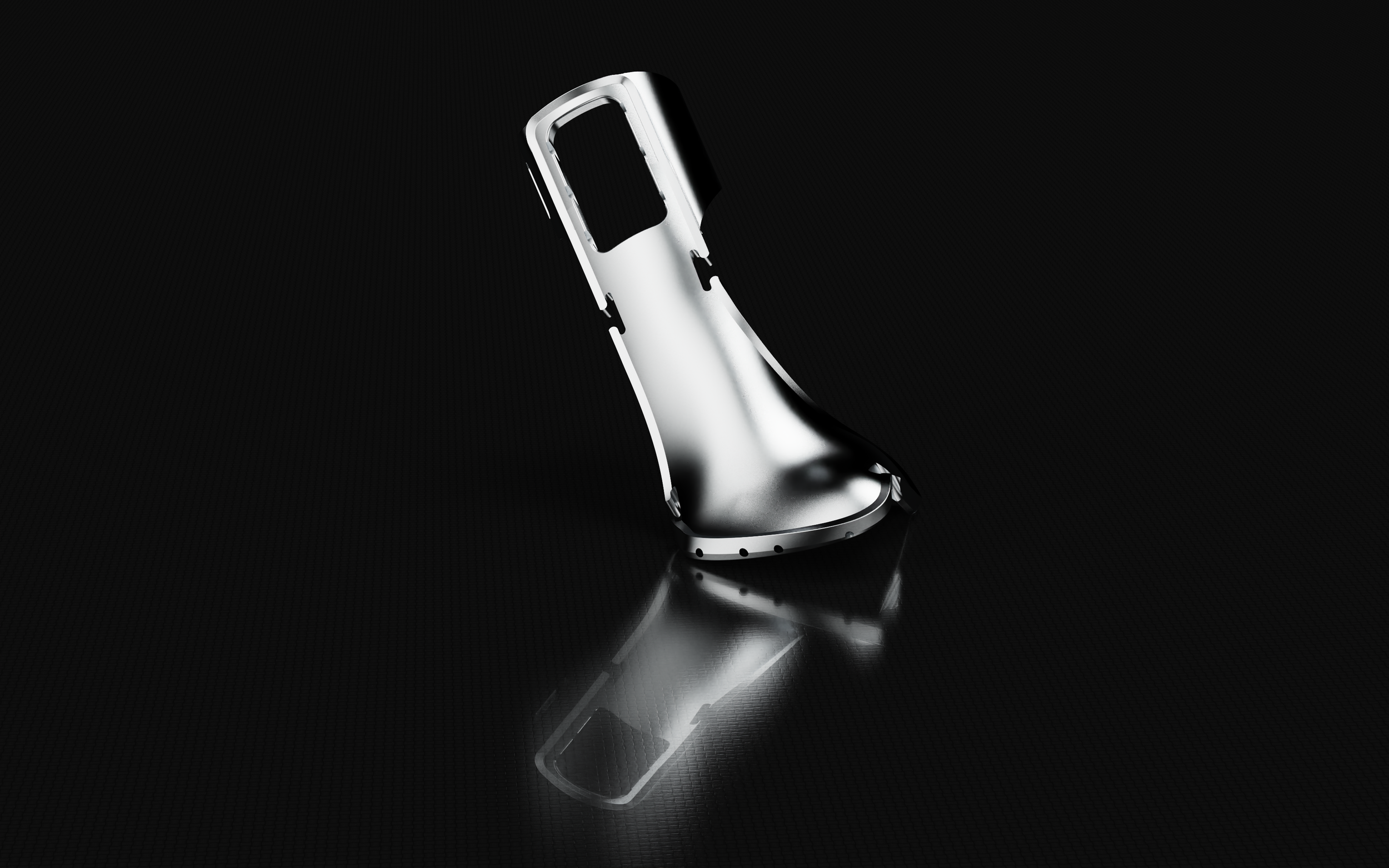
Future iterations would be made out of stronger materials like high density plastic or steel. These renders visualize what the design would look like constructed out of such materials.